
PPF vs Ceramic Coating
Both elevate protection and the visual presence of the vehicle, but they don’t serve the same function. The right approach isn’t choosing whatever sounds better, it’s understanding which risk you want to address first, and what level of finish you expect to maintain.
If your priority is shielding the paint from physical impact, PPF operates in a different league. If you want repellency, simpler maintenance, and sustained gloss, ceramic coating delivers enormous value. And when the goal is comprehensive premium protection, both can work together with very clear logic.
Ideal for defending high-impact zones and preserving original paint.
Optimizes gloss, repellency, and ease of washing for a consistently cleaner look.
The physical defense that genuinely changes your peace of mind.
Its real strengths
- Better absorbs the impact of gravel, sand, road debris, and light scratches from daily use.
- It’s the most solid option when the vehicle regularly drives on city streets and highways, or is parked outdoors.
- Helps protect critical panels like bumpers, hood, fenders, mirrors, and door entry areas.
- Preserves aesthetic value and reduces the likelihood of premature repainting of original paint.
- When properly installed, it maintains a clean, discreet appearance consistent with a premium vehicle.
Where Ceramic Coating stands out
Ceramic coating doesn’t replace a physical barrier, but it genuinely transforms the maintenance experience. It improves water repellency, makes it harder for dirt to bond firmly to the surface, simplifies washing, and helps sustain a deeper, more ordered appearance over time.
For vehicles with good care discipline, or for clients who want to preserve gloss, feel, and visual clarity with less effort, it’s a very smart solution. Its best version appears when applied over properly corrected paint or over an already-installed PPF film.
Advantages you actually feel day to day
- Creates a more hydrophobic surface so water, dust, and contaminants come off with less effort.
- Enhances visual depth, reflection, and a more refined reading of the finish.
- Reduces friction during frequent washes and helps maintain a better vehicle presentation.
- Excellent for clients who care for their car regularly and want a finish that rewards their maintenance habits.
- Works very well as a complement to PPF, adding chemical protection and ease of cleaning.
What each solution protects best
The 5 strengths on the PPF side
-
Real physical defense
Better absorbs gravel, sand, road debris, and surface marks before they reach the paint.
-
Critical zone coverage
Ideal for bumper, hood, fenders, mirrors, door edges, and exposed entry areas.
-
Premium look without sacrificing originality
Protects original paint without altering the car’s design when installation is precise and clean.
-
Makes total sense for mixed use
Most logical for vehicles that travel between city and highway, or spend time exposed to the elements.
-
Value preservation
Reduces the likelihood of premature repaints and helps maintain the vehicle’s visual condition longer.
The 5 advantages on the Ceramic side
-
Superior repellency
Creates a more hydrophobic surface so water, dust, and contaminants come off with less effort.
-
Easier washing
Reduces friction during frequent maintenance and makes the car more rewarding to care for week after week.
-
Gloss and depth
Elevates color reading, reflection, and overall finish with a more refined appearance.
-
Chemical shield
Helps against contaminants, light stains, and the visual wear associated with daily use and environmental exposure.
-
Ideal PPF complement
When applied over PPF or corrected paint, it adds ease of cleaning and a more complete, polished finish.
In many cases you don’t choose one or the other. You design smart coverage.
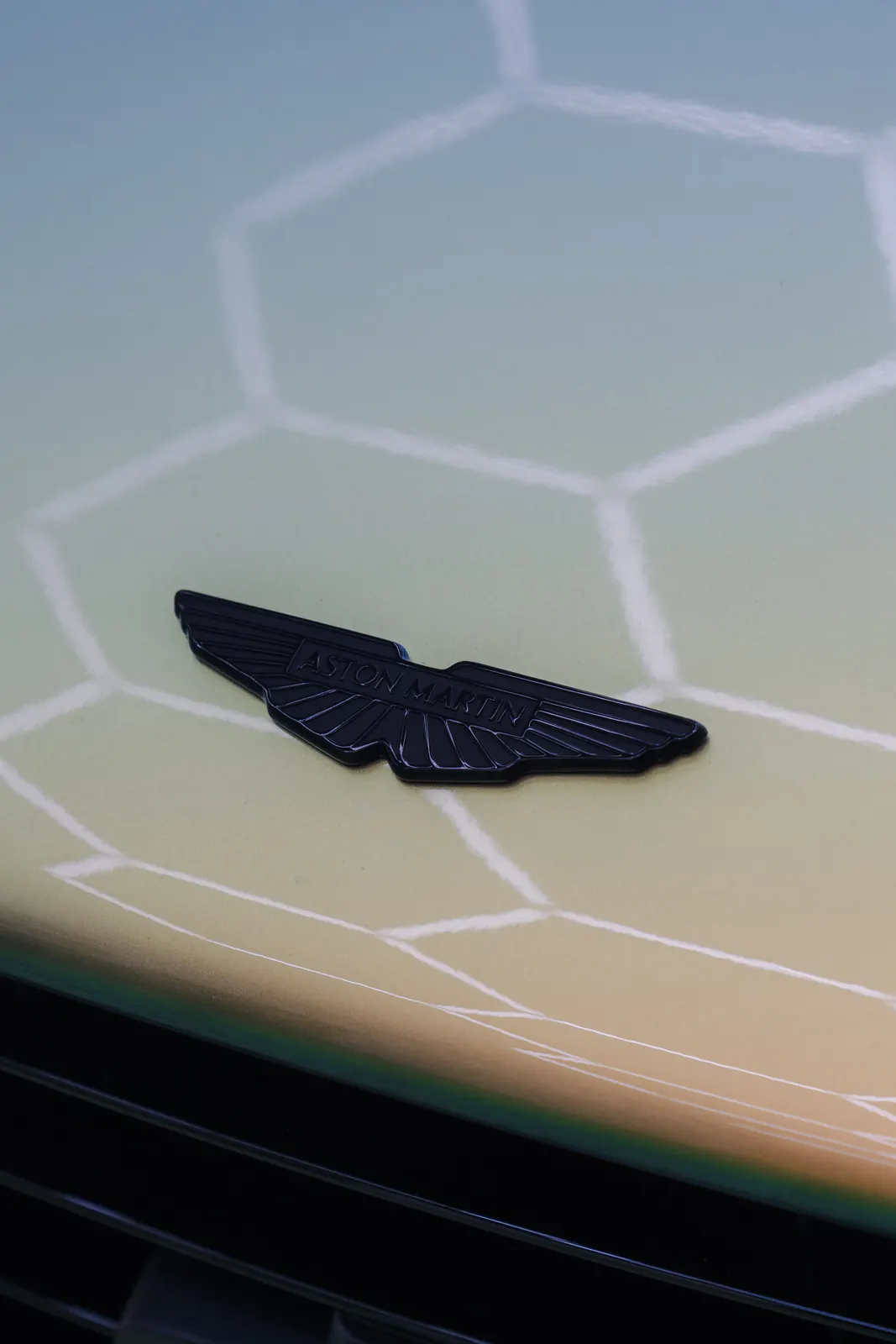
When budget and objective allow, the most solid approach isn’t to pit them against each other, it’s to combine them with clear logic. PPF concentrates on the zones that take direct impact; ceramic coating finishes by elevating repellency, gloss, and maintenance on the rest of the vehicle.
Protect the areas that take the most punishment first
Bumper, hood, mirrors, fenders, and door sills are natural candidates for PPF. They’re the zones that first absorb gravel, road debris, daily contact, and accumulated visual damage, so that’s where this solution delivers the most real peace of mind.
Finish with a maintenance layer
Ceramic coating on the rest of the car, or even over the PPF itself, adds repellency and a better reading of the finish. It also makes washing more manageable, helps dirt release with less effort, and preserves a cleaner appearance as the weeks go by.
Match coverage to actual use
Not every car needs full coverage. The best package is the one that responds to real use, not the largest one by default. An urban commuter, a frequent highway driver, and a weekend car each call for different coverage, and that distinction is what makes the investment make sense.
Strategies by vehicle type
Sedan or urban SUV
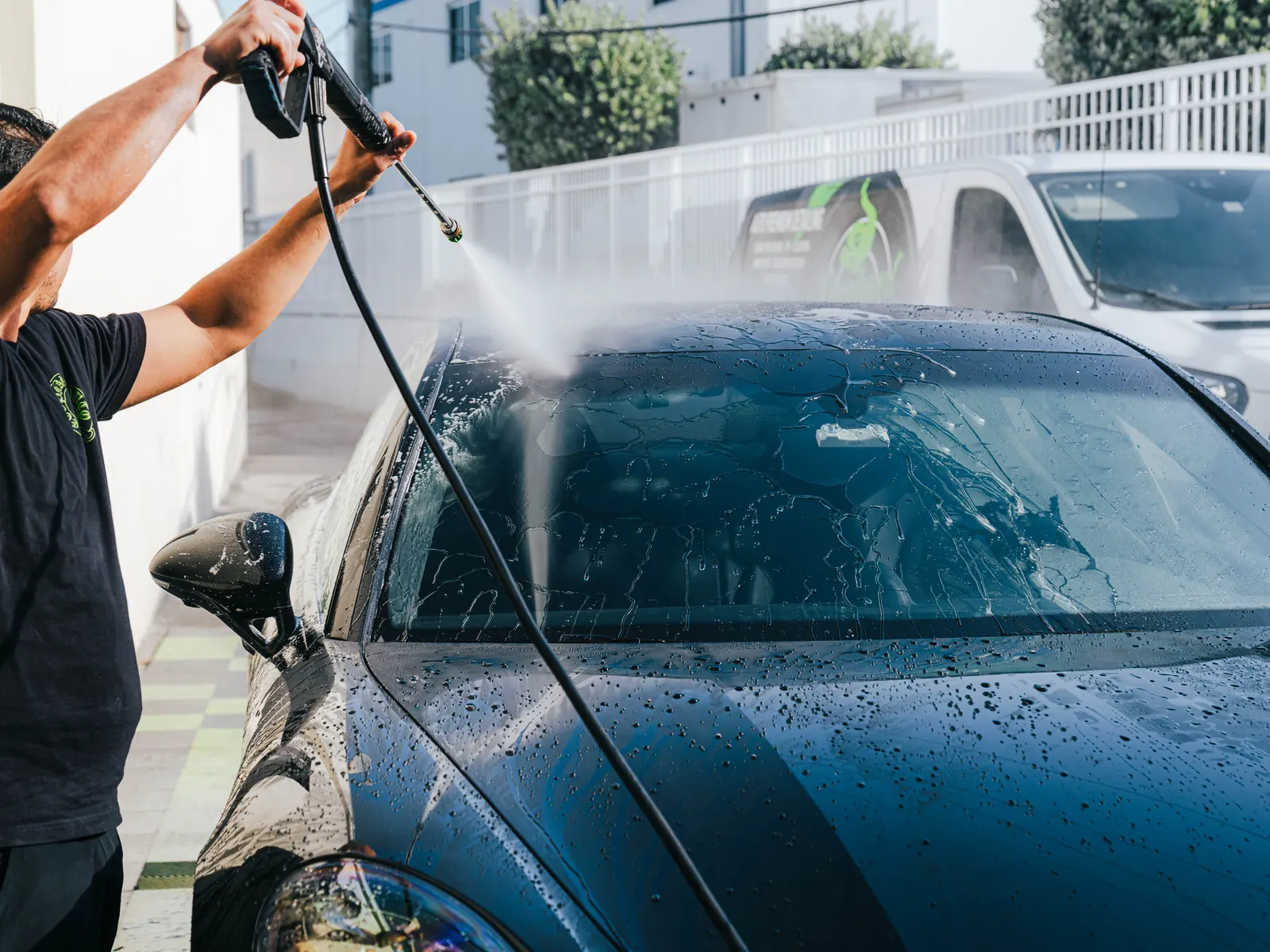
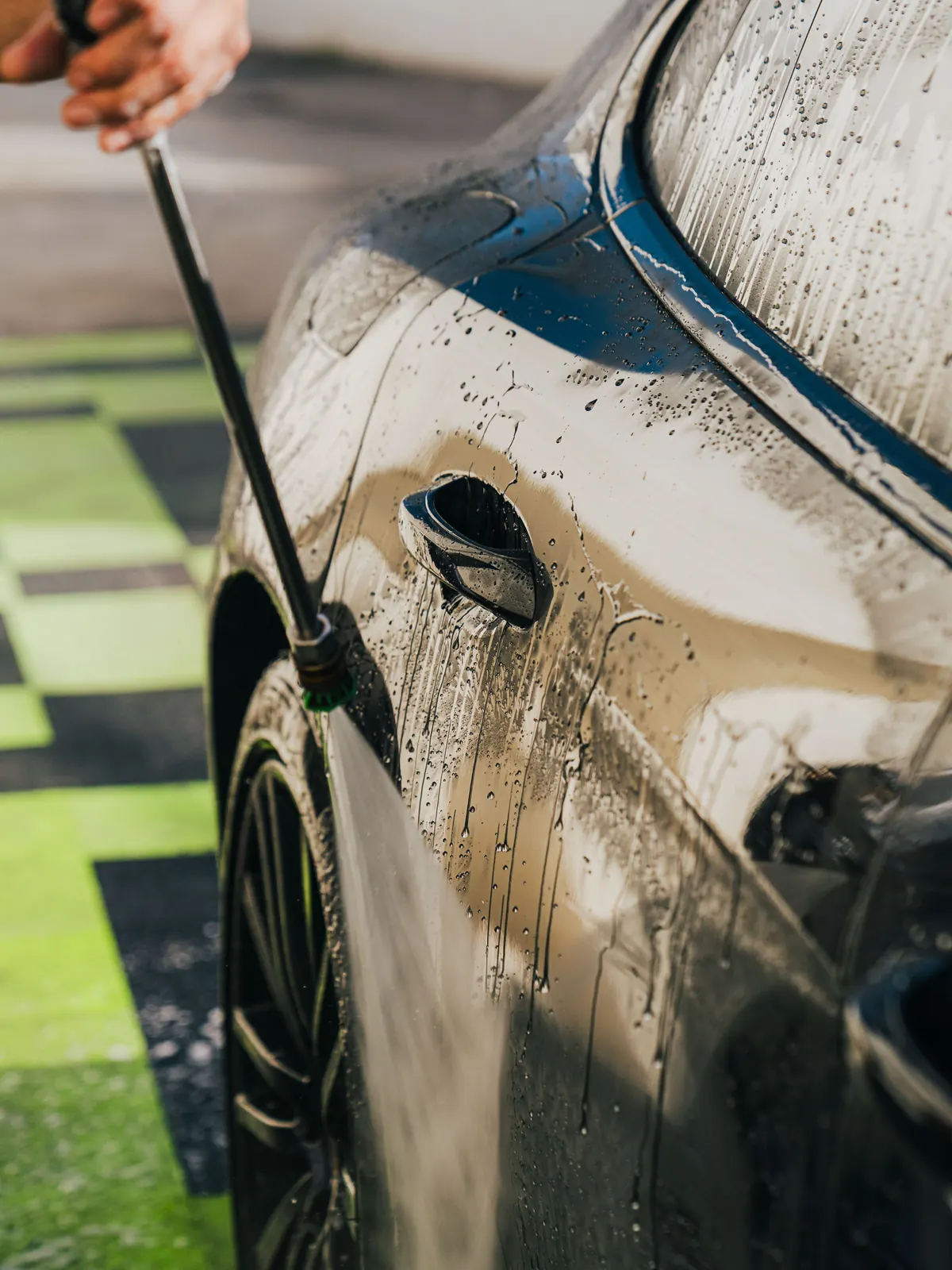
A partial or extended PPF front end handles the most frequent wear, while a full ceramic coating helps maintain presentation, gloss, and cleanliness with less effort week after week.
Sports car or weekend vehicle
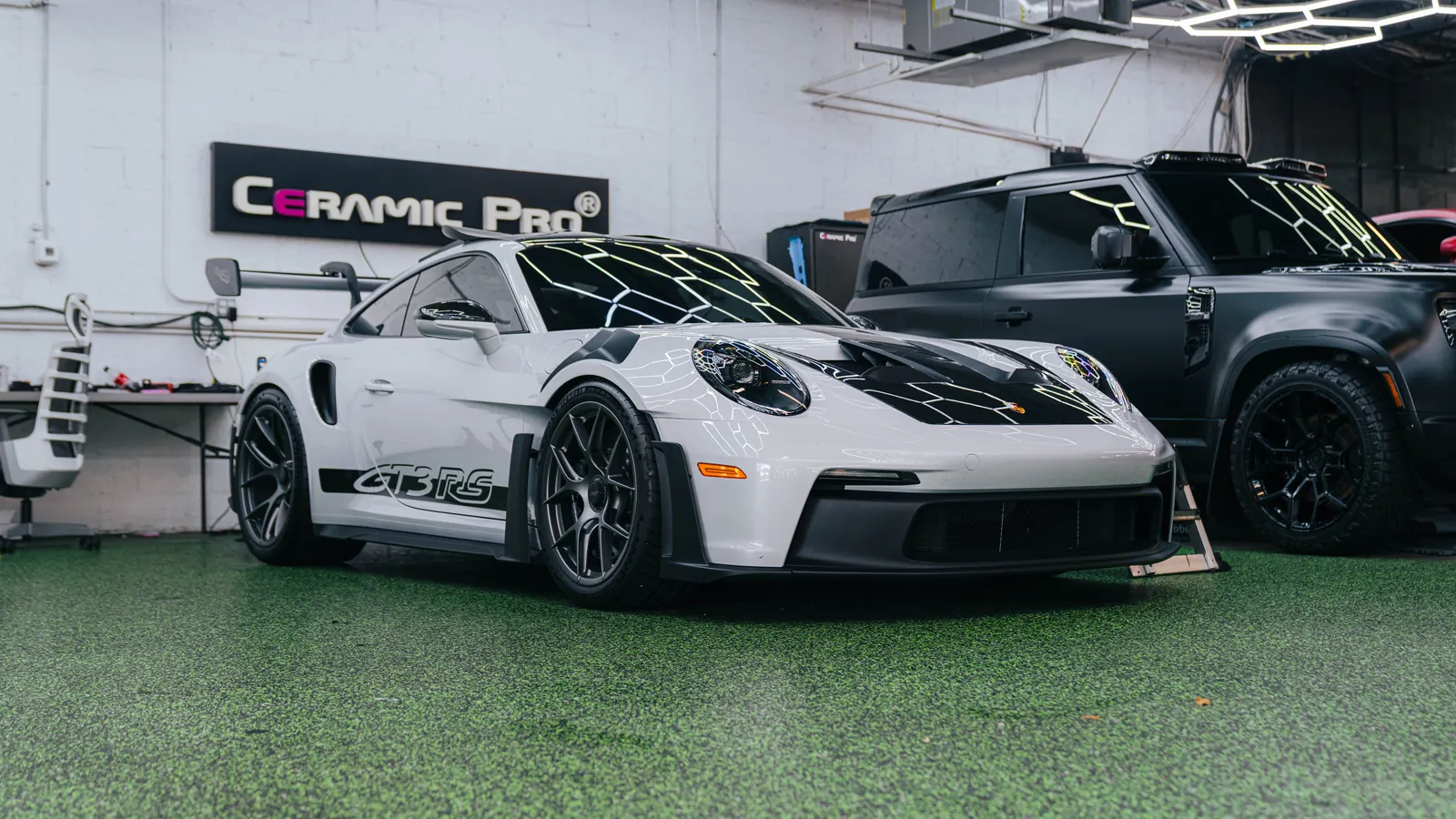
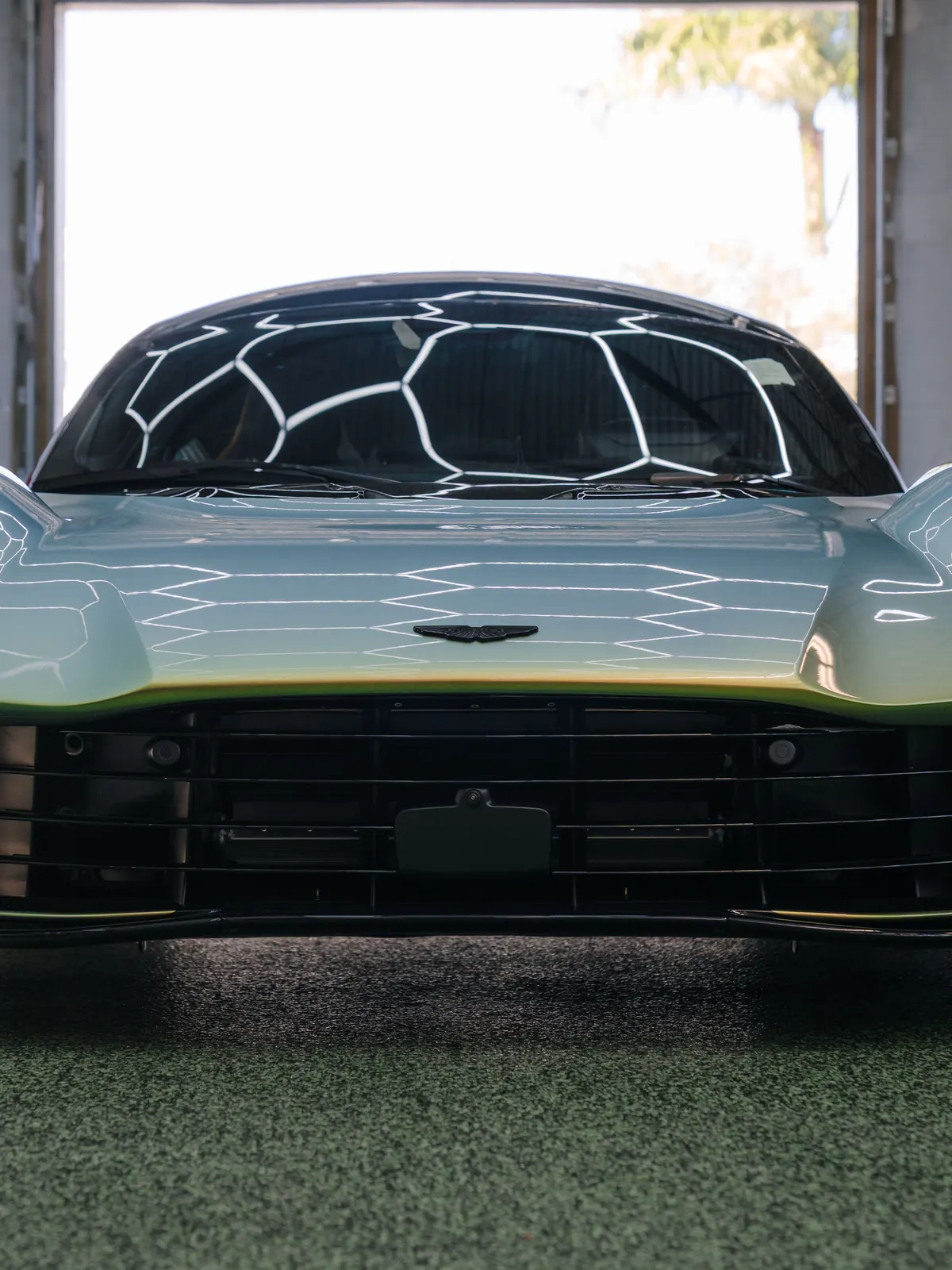
For this profile it usually makes sense to increase the PPF level on visible, high-impact zones. Ceramic complements the result to preserve a more precise reading of color, gloss, and cleanliness.
Family or travel vehicle
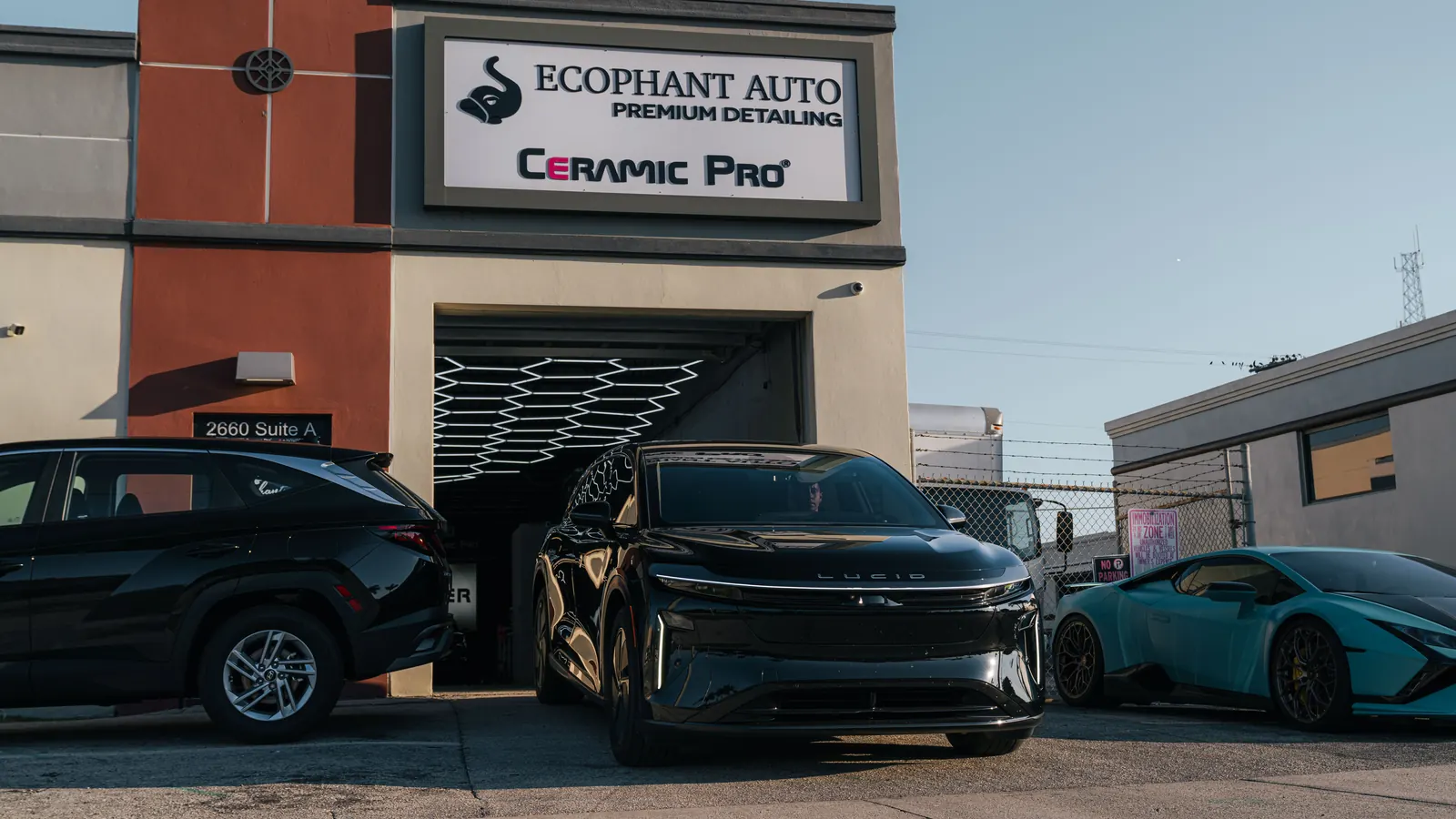
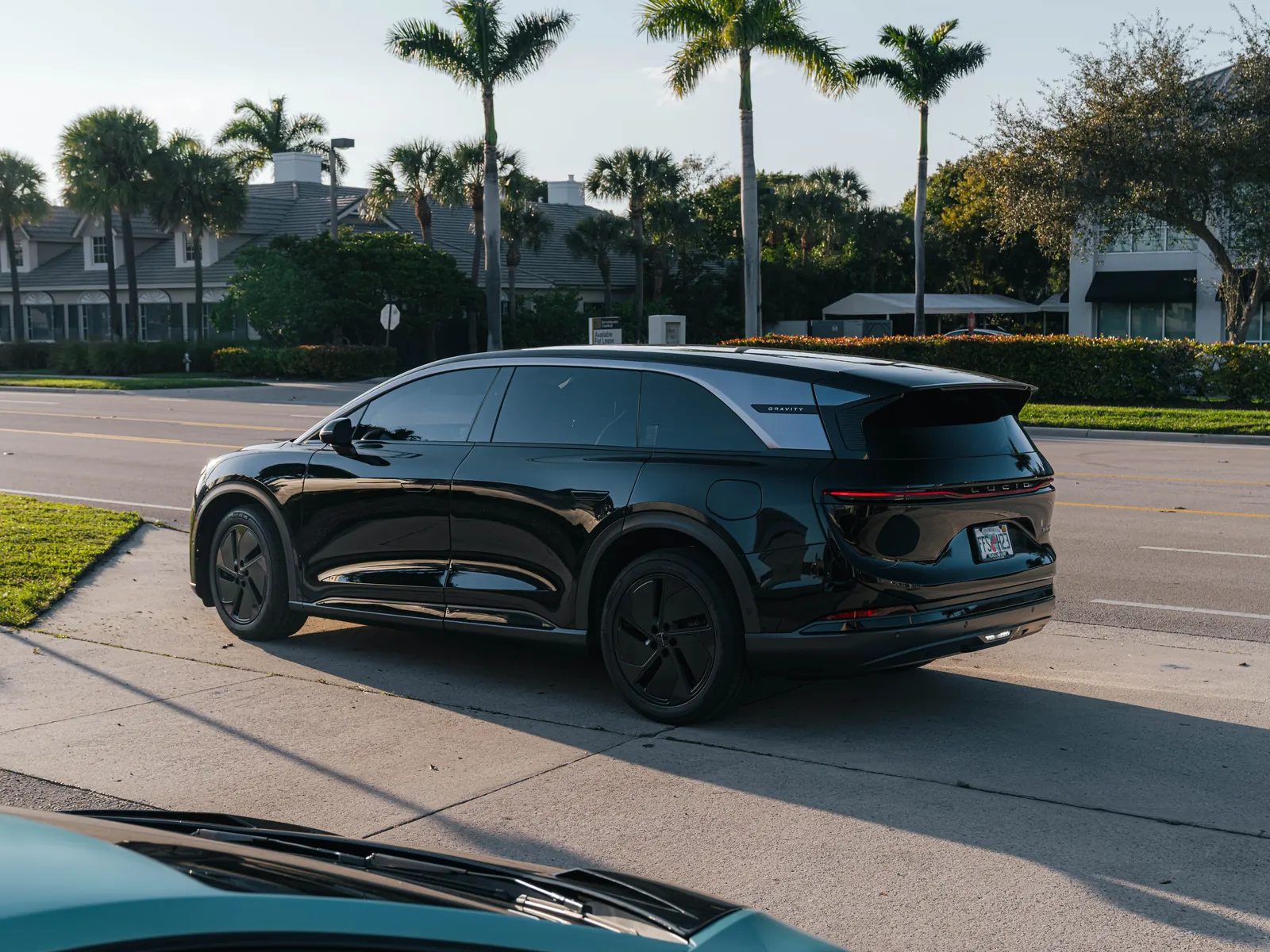
Here the priority is real defense: a robust front end, entry zones, door edges, and exposed critical areas. Then ceramic coating on the remaining bodywork to simplify maintenance and protect overall visual appearance.
If you’re comparing PPF vs ceramic coating in Boca Raton, start with how you actually use your car.
In Boca Raton and South Florida, not every vehicle faces the same context. Some spend most of their time in city traffic, others frequently head up I-95 or drive long stretches, and others need above all a sharper visual reading with simpler maintenance. That difference shapes the recommendation between PPF in Boca Raton and ceramic coating in Boca Raton.
If your priority is protecting original paint against gravel, daily use, and visible wear, PPF usually makes more sense. If you want gloss, repellency, and a car that’s more rewarding to maintain, ceramic coating may be the right entry point. And if cabin comfort also matters, check out our window tinting in Boca Raton.
PPF handles impact. Ceramic handles maintenance. Together they build far more complete protection.
If your priority is preserving original paint, reducing road marks, and protecting high-impact zones.
If you want sustained gloss, better repellency, and easier washing with a more refined finish.
If the vehicle deserves a complete premium strategy and you want to protect both the material and the presentation.
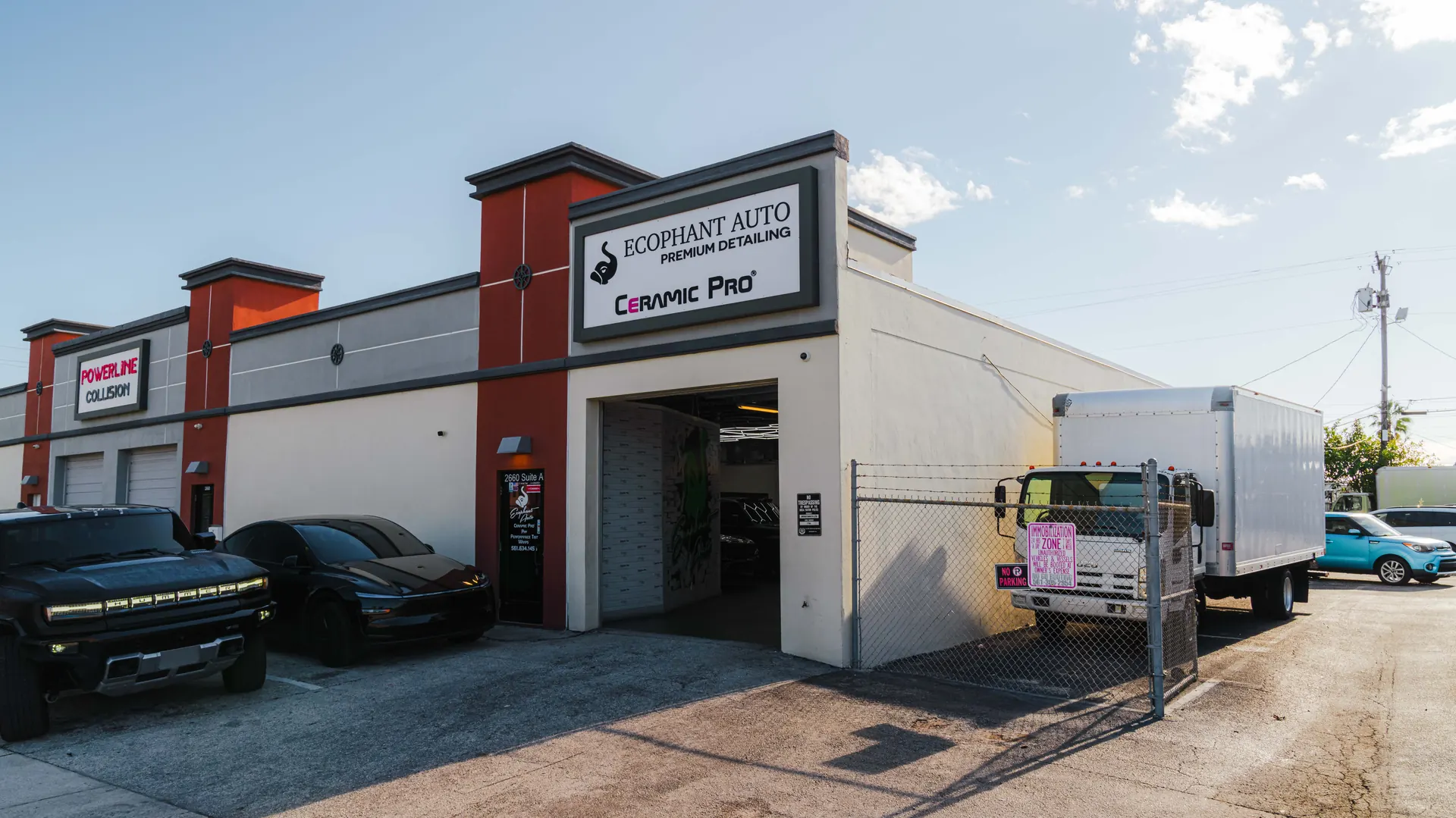
We help you define smart coverage for your vehicle, not a generic formula.
We evaluate use, vehicle type, exposure, and aesthetic expectations to propose a coherent combination of PPF, ceramic coating, and targeted protection.
TALK TO AN EXPERT